
In the pharmaceutical industry, even a slight change in a drug’s composition can lead to serious consequences. Regulatory bodies like the International Council for Harmonisation (ICH) require companies to perform photostability tests according to strict guidelines (ICH Q1B).
If these tests are skipped or done incorrectly, the risks include:
- Loss of potency – The drug may no longer deliver the intended therapeutic effect.
- Chemical degradation – Light exposure can cause breakdown into inactive or harmful compounds.
- Appearance changes – Discoloration or texture changes can make products unappealing or raise quality concerns.
- Regulatory non-compliance – Products can be rejected during quality audits or banned from certain markets.
- Costly recalls – If instability is found after launch, withdrawing products damages both finances and brand reputation.
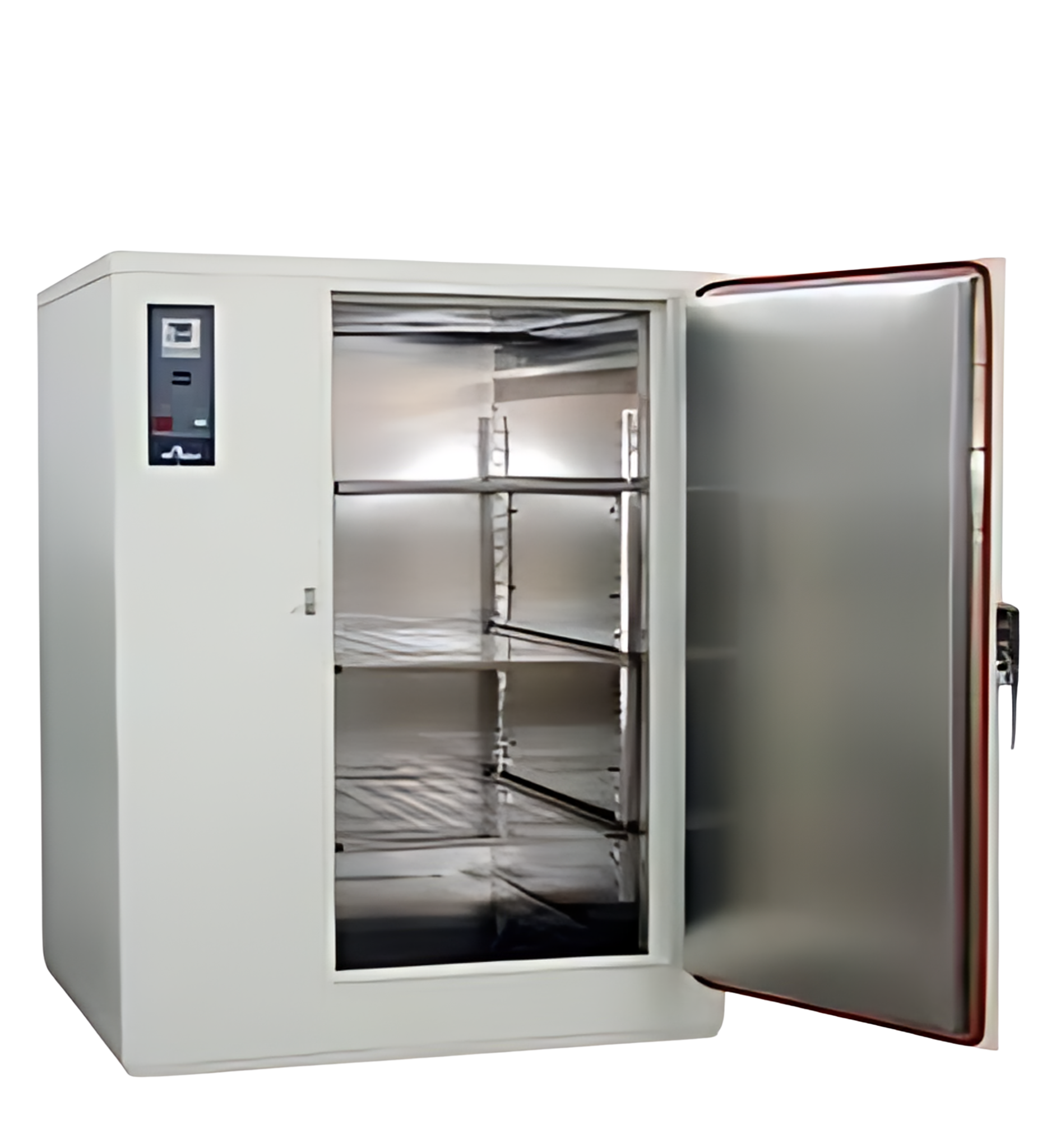
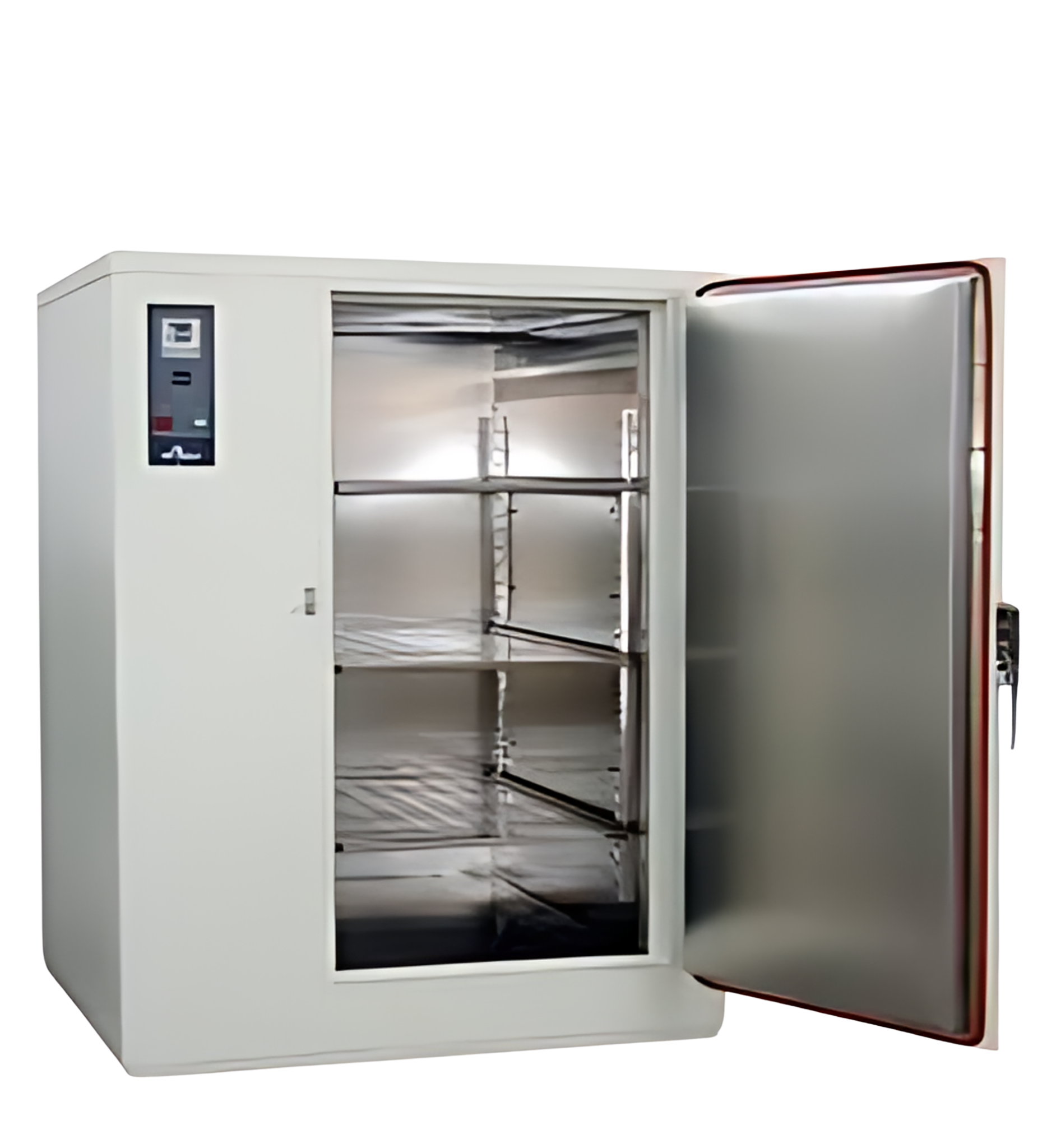
By using a Stability Chamber for Drug Testing, companies can detect these problems early and take corrective action before a product reaches the market.